

Artificial intelligence (AI) is changing our world in many ways. It drives new tech like big data, robotics, and the Internet of Things (IoT). Generative AI has made AI even more exciting and useful.
A 2023 IBM survey found that 42 percent of big companies use AI. Another 40 percent are thinking about using it. Also, 38 percent have started using generative AI, and 42 percent are thinking about it.
AI is changing many areas fast. It could bring big changes to industries and our society.
Key Takeaways
- 42% of enterprises have integrated AI into their operations, and 40% are considering AI for their organizations.
- 38% of organizations have implemented generative AI into their workflows, while 42% are considering doing so.
- About 55% of organizations have adopted AI to varying degrees, indicating increased automation for many businesses in the near future.
- Employees believe that almost one-third of their tasks could be performed by AI, leading to concerns over job disruptions.
- The potential AI skills disruption between 2023 and 2028 could affect 44% of workers, with a noticeable AI skills gap between men and women.
The Evolution of AI
From Checkers to ChatGPT
The journey of artificial intelligence (AI) has been amazing. It has changed how we use technology. In 1951, a program called Christopher Strachey’s checkers played a full game on the Ferranti Mark I computer at the University of Manchester.
AI has grown a lot since then. In 1997, IBM’s Deep Blue beat chess champion Garry Kasparov. IBM Watson won Jeopardy! in 2011, showing its strength.
Now, we have generative AI models like OpenAI’s GPT series. GPT-4 and ChatGPT have started a new era. They can make text, audio, images, and more based on what you ask.
“The evolution of artificial intelligence has been a testament to humanity’s ingenuity and our relentless pursuit of technological advancement.”
AI is changing many fields, like healthcare and finance. It’s making problem-solving and creativity better. AI tools are helping us make decisions and create new things.
But AI’s fast growth means we must be careful. We need to think about privacy, security, and fairness. We must make sure AI helps everyone, not just a few.
The Impact of AI on Business and Society
Artificial intelligence (AI) is changing business and society a lot. About 55% of companies are using AI now. This shows a big move towards using machines and data to make decisions.
AI is making chatbots and digital assistants popular. These tools help with simple tasks, so people can do more important things. AI also helps make decisions faster by looking at lots of data.
But, AI is also making people worry about losing their jobs. Many think AI could do a third of their work. Companies need to use AI wisely to keep their workers happy and busy.
AI also raises big questions about data privacy. Tools like ChatGPT need lots of data to work. This makes it important to protect our personal info and have rules for AI use.
| Impact of AI | Benefits | Challenges |
|---|---|---|
| Business Automation |
|
|
| Data Privacy and Regulation |
|
|
AI is changing how we do business and live. Companies and governments need to work together. This way, AI can help us innovate, work better, and make society better.
Artificial Intelligence in Key Industries
Artificial intelligence (AI) is changing many areas, not just tech. It’s making big impacts in fields like manufacturing, healthcare, finance, and education. Let’s see how AI is changing these important areas.
Manufacturing: Optimizing Efficiency
In manufacturing, AI is changing how things are made. AI robots and sensors help keep things running well. They cut down on downtime and manage stock better.
By using AI, makers can make better products, improve supply chains, and work more efficiently.
Healthcare: Advancing Diagnostics and Treatment
AI is helping a lot in healthcare. It helps find diseases faster and find new medicines. AI tools also help doctors take better care of patients.
AI virtual nurses watch over patients too. This leads to better health and less work for doctors.
Finance: Enhancing Risk Management and Compliance
AI is helping banks and financial groups fight fraud and check things out. It looks at lots of data and finds patterns. This helps make better choices and follow rules better.
Education: Personalizing the Learning Experience
AI is changing education by making learning materials digital and checking for plagiarism. It also makes learning fit each student’s needs. This helps teachers teach better and students learn more.
AI is also changing media, customer service, and transportation. It makes content for you and does tasks that don’t need a person. This makes things more efficient and better for users.
As AI gets more common, it will keep making things better. Businesses that use AI will do well in the future.
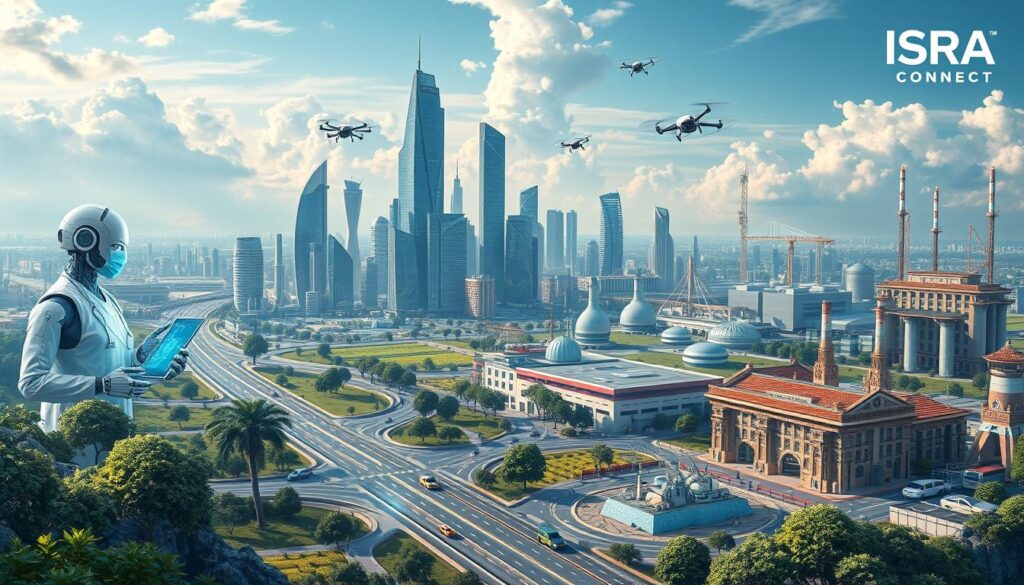
Risks and Dangers of Artificial Intelligence
Artificial intelligence (AI) has made big strides, but it also comes with big risks. One big worry is job loss. AI could change the skills needed for 44% of jobs by 2028. Women might face more job loss, making it harder for them to find work.
AI systems can also show the biases of their makers. For example, facial recognition tech often works better for lighter-skinned people. This raises worries about unfair treatment. Also, making and keeping AI models uses a lot of energy, which could harm our planet.
There’s also fear that AI could be used badly. It could be used to trick people, steal their privacy, or break into systems. Some AI is hard to understand, which is why we’re working on making it clearer.
| Potential Risks of Artificial Intelligence | Impact |
|---|---|
| Job Losses | 44% of workers’ skills expected to be disrupted by 2023-2028 |
| Gender Bias | Women more likely to be exposed to AI-driven job displacement |
| Algorithmic Bias | Facial recognition technology favoring lighter-skinned individuals |
| Environmental Impact | Increased carbon emissions by up to 80% due to AI energy usage |
| Privacy and Security Concerns | Potential for malicious use, such as social manipulation and data breaches |
We need to tackle these AI risks head-on. We must make sure AI is developed and used wisely. Strong rules and careful planning are key to making AI a good thing for everyone.
The Future of Artificial Intelligence
Artificial intelligence (AI) has grown fast, thanks to tools like ChatGPT. This has changed how we see AI’s good and bad sides. Some worry about AI’s power, but others think it will mostly help us.
The AI market is expected to grow a lot. It will go from $150.2 billion in 2023 to $1,345.2 billion by 2030. This shows AI’s big chance to change many areas, like health, money, travel, and learning.
In health, AI can help find diseases, make treatment plans, and cut down on mistakes. It can also make money work better in finance, making quicker and smarter choices.
AI might change jobs, with up to 40% of jobs at risk. But, new jobs will also come up. These include AI experts, robot makers, and designers who make things easier to use.
As AI grows, we must think about its ethics, openness, and who’s in charge. It’s important to understand how AI works, especially in areas like the military and keeping data safe.
The future of AI is both exciting and scary. By facing challenges and seeing the good sides, we can make AI help us all in a good way.

“The future of artificial intelligence is not just about the technology itself, but about how we choose to shape and apply it to create a better world for all.”
As AI keeps getting better, we must focus on its ethics, openness, and who’s in charge.
Conclusion
Artificial intelligence is changing our world fast. We must focus on making AI fair, open, and answerable. This way, AI can help us a lot, making our lives better.
We need everyone to work together on this. By talking openly, we can handle AI’s good and bad sides. This ensures AI helps us, not hurts us.
AI could make our lives much better, like learning just for us or doing boring tasks for us. But, we must make sure AI is made right. With more learning and careful making, AI can make our world better for everyone.
FAQ
What is the current state of AI adoption in enterprises?
A 2023 IBM survey shows 42 percent of big businesses use AI. Another 40 percent are thinking about using it. Also, 38 percent have started using generative AI, and 42 percent are looking into it.
How has the development of AI evolved over the years?
AI has grown a lot since 1951. The first AI program was made by Christopher Strachey. Since then, we’ve seen big steps like IBM’s Deep Blue beating Kasparov in 1997 and Watson winning Jeopardy! in 2011.
Now, generative AI is leading the way. OpenAI released GPT models in 2018. They’ve since made GPT-4 and ChatGPT.
How is AI impacting businesses and society?
About 55 percent of companies use AI. This has made tasks faster and more automated. But, it’s also made people worry about losing their jobs.
There are also worries about keeping data safe. Many think we need better rules for AI.
In what industries is AI being applied?
AI is used in many areas like manufacturing, healthcare, and finance. It helps with things like fixing machines before they break and finding diseases early. It’s also used in education, journalism, customer service, and transportation.
What are the potential risks and dangers of AI?
AI could lead to job losses, with 44 percent of jobs changing by 2028. Women might face more job changes than men. This could hurt their job chances.
AI can also show biases. Making and keeping AI models might increase carbon emissions by 80 percent.
What is the future outlook for AI?
The future of AI is still being shaped. Some worry about its power, but others think it will mostly help us. As AI grows, we need to focus on making it fair and safe.